
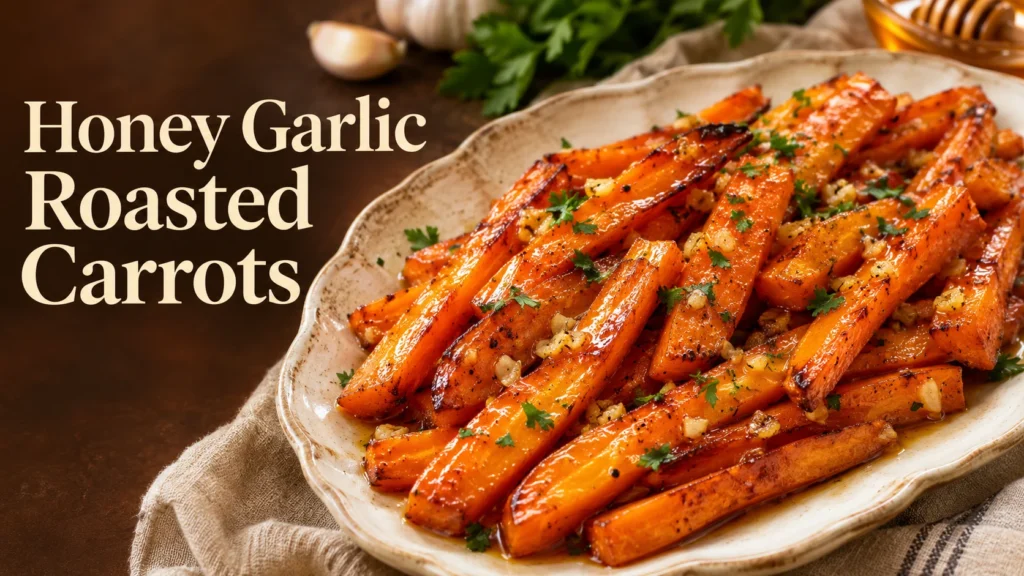
These easy roasted vegetable side dishes help you finish a chicken dinner, balance a creamy pasta bake, or choose a colorful addition for a holiday table. Pick honey garlic carrots for a sweet and savory side, asparagus for a bright green option, green beans for garlic flavor, or smashed potatoes for crisp edges and a more filling plate.
This collection links to four complete PrepDaisy recipes. Use the comparison to choose your side, then open its recipe for ingredient quantities, oven temperature, and the full method.
Compare the 4 sides ↓ · Plan your oven space · Useful equipment
Which roasted vegetable side should you make?
| Side dish | Flavor and texture | Good dinner pairing | Main planning point |
|---|---|---|---|
| Honey garlic carrots | Sweet, buttery, tender, with browned edges | Roast chicken or a savory casserole | Add the glaze later as the recipe directs. |
| Oven roasted asparagus | Fresh and savory, with tender spears | Fish, chicken, or creamy pasta | Choose similar thicknesses and check thin spears early. |
| Oven roasted green beans | Garlicky, with lightly browned edges | Meatloaf, chicken, or potatoes | Dry the beans and give them space. |
| Garlic butter smashed potatoes | Crisp edges and soft centers | Chicken, steak, or a green salad | Allow for the boiling step before roasting. |
There is no need to cook all four at once. For an everyday meal, choose the one that complements your main dish and fits the oven time you have. For a larger gathering, choose one green vegetable and one more substantial side. Carrots plus green beans create a different plate from asparagus plus potatoes, even when the main dish stays the same.
1. Honey garlic roasted carrots
Carrots are a useful choice when dinner needs color and a little sweetness. This version roasts the carrots before adding a honey, butter, and garlic glaze near the end. That sequence matters: the vegetables need time to soften and develop browned edges before the sugary coating finishes cooking. Follow the linked recipe rather than adding the glaze at the beginning of a long roast.
Look at the thickness of the carrots before cutting. A very thick piece and a pencil-thin piece will not cook at the same pace. Split the large ones and aim for batons of similar thickness. You do not need perfectly identical shapes; reasonably even pieces make it easier to judge the whole tray. Spread them out so you can turn them without pushing a pile around the pan.
Serve them with: oven baked chicken breast for a straightforward dinner, or put them beside a savory pasta bake when you want another texture. If the main dish already has a sweet sauce, choose one of the greener, less sweet sides below instead. Finish the carrots according to the recipe and add any fresh herbs close to serving.
Get the honey garlic carrots recipe
2. Oven roasted asparagus
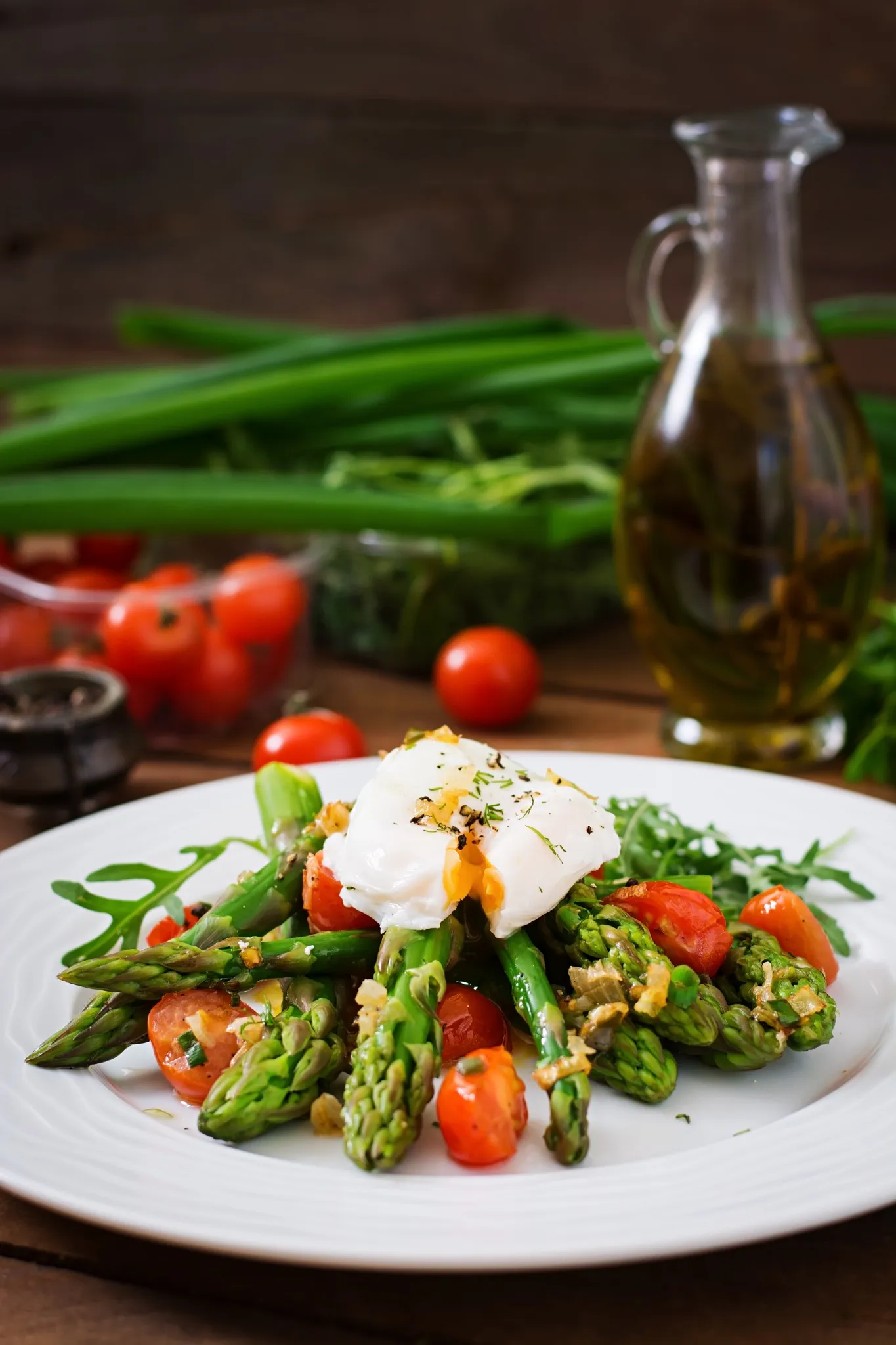
Asparagus suits a dinner that needs a lighter green side. The simple oil, salt, and pepper base leaves room for a finishing squeeze of lemon or a little Parmesan if those flavors fit the rest of the meal. It is especially useful beside a creamy main dish because it adds a firmer bite and a different flavor without needing a second sauce.
Choose firm spears with tight tips, and group them by thickness before cooking. A tray of mixed thin and thick asparagus needs closer attention than a tray of similar spears. Trim the woody ends, wash the stalks, and dry them before adding oil. Moisture left on the surface makes it harder to develop the browned edges you want from roasting.
Serve it with: white chicken lasagna or creamy roasted tomato pasta. Keep lemon wedges separate if other people prefer different levels of acidity. Add cheese at the point described in the recipe, and check the asparagus itself for tenderness rather than assuming every bunch takes the same time.
Get the oven roasted asparagus recipe
3. Oven roasted green beans
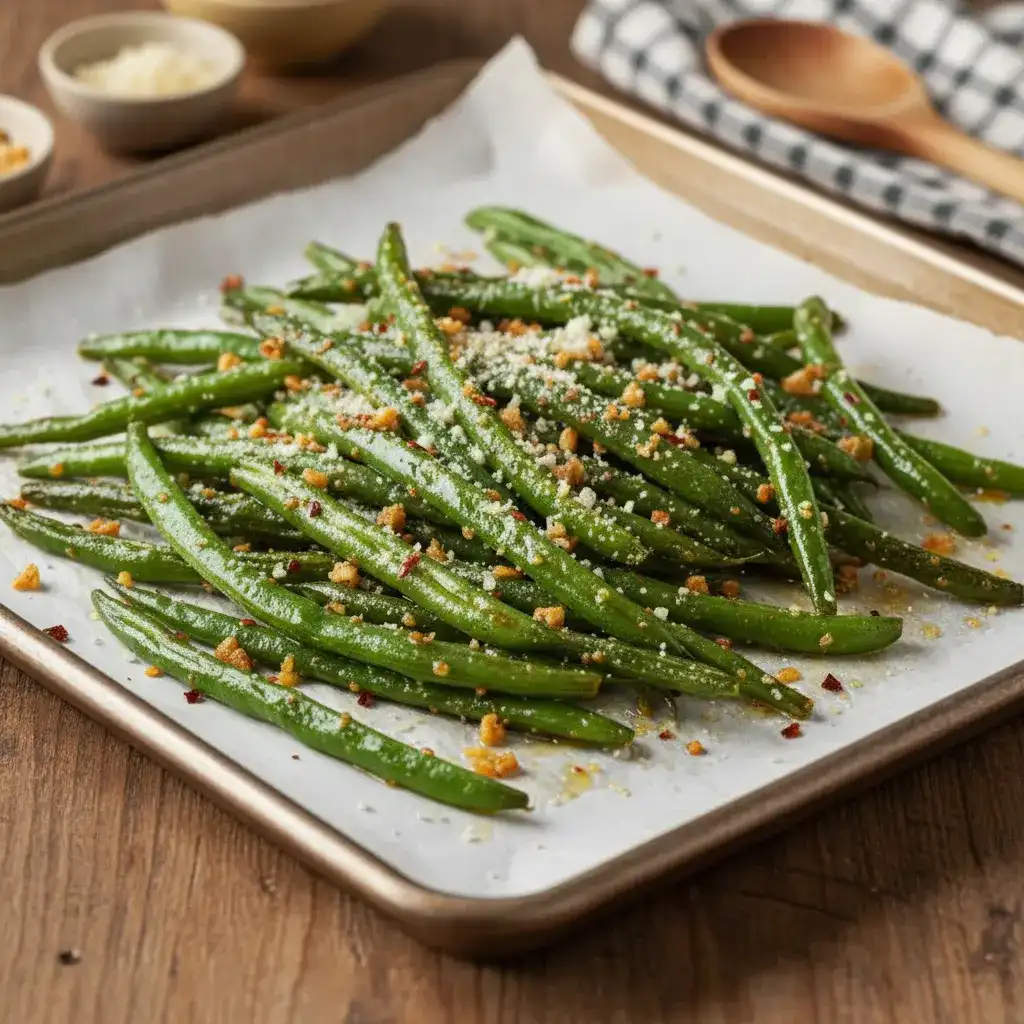
Green beans are a flexible option when you want a savory side with garlic. This recipe uses fresh beans for a tender center and lightly crisp edges. They work with a wide range of dinners, so they are a practical choice when the main dish already has plenty of seasoning. Keep the finish simple, or use the optional Parmesan and red pepper flakes to match the meal.
Trim the stem ends and dry the beans thoroughly. A clean kitchen towel or salad spinner can help remove water after washing. Toss with the recipe’s oil and seasonings, then spread the beans into a single layer. If they form a deep pile, divide them between pans rather than expecting the bottom layer to roast like the top.
Serve them with: garlic Parmesan chicken meatloaf for a savory dinner, or pair them with the smashed potatoes below when you want two sides. Fresh beans and canned beans behave differently in the oven; use the ingredient type specified in the full recipe. Check for tenderness as well as color before taking the pan out.
Get the roasted green beans recipe
4. Garlic butter smashed potatoes
Smashed potatoes give you a more substantial side with creamy centers and crisp, irregular edges. Unlike the other vegetables in this collection, these potatoes need a boiling step before they are flattened and roasted. Include that step in your dinner plan. Putting raw whole potatoes on a tray will not produce the same result as the linked method.
Choose baby potatoes that are similar in size so they become tender at a similar pace. After boiling, follow the recipe’s draining and drying directions before smashing. Press each potato enough to open the surface while leaving a connected piece you can lift from the tray. Very thin fragments can brown faster than the thicker centers, so watch the edges during roasting.
Serve them with: lemon herb chicken and green beans, or use them as the main starchy side beside a roast. A wide spatula makes it easier to move the potatoes without losing their crisp edges. Add the garlic butter and finishing ingredients in the order given by the recipe so you keep the intended balance of flavor and texture.
Get the garlic butter smashed potatoes recipe
How to plan the oven around your main dish
Start with the main dish’s temperature, cooking time, and resting period. Then check the full recipe for your chosen side. Two dishes that use an oven do not automatically belong on the same rack at the same time. A crowded oven can change browning, and opening the door repeatedly can make timing harder to predict. Choose a side that fits the space and attention you have.
If the main dish needs the oven alone: wash, trim, and measure the side ingredients while it cooks. Have the baking sheet ready so you can start the vegetables when the oven becomes available. If the main dish rests before serving, use that window only when it realistically matches the side’s recipe. Potatoes with an additional boiling step need more planning than trimmed green vegetables.
If you use two trays: keep each vegetable on its own tray when its method or finishing time differs. That lets you remove the asparagus without leaving it beside carrots that still need cooking. Leave room for air to circulate and follow your oven’s guidance for rack positions. Inspect both pans, because the upper and lower trays may brown differently.
If dinner timing changes: prioritize proper cooking and safe holding over a rigid minute-by-minute promise. A simple salad or bread can fill a gap if you only have space for one hot side. Serving fewer dishes at the right texture is easier than trying to manage several crowded trays. Put garnishes, a serving spoon, and a heatproof place for the pan out before the vegetables finish.
Small prep choices that improve the finished side
Dry the surface. Washing is necessary, but a wet vegetable goes into the oven with extra water that must evaporate. Dry asparagus and green beans before tossing them with oil. Let boiled potatoes drain as the recipe directs. You want the oil and seasoning to coat the food rather than slide into a puddle on the tray.
Match size within each vegetable. Similar carrot thicknesses and similarly sized potatoes make the tray easier to manage. You do not need to cut asparagus to the same dimensions as carrots, because they are different dishes with different methods. Keep the preparation for each recipe separate, then coordinate the serving time.
Use the recipe’s seasoning sequence. Fresh herbs, lemon, garlic, butter, and honey do different jobs. Some belong in the oven, and some provide a better finish near serving. The carrot recipe’s later glaze is one example. Adding every ingredient at once may be convenient, but it can change how the side browns and tastes.
Give the food space. A rimmed baking sheet catches oil and small pieces, while a broad cooking surface helps you arrange a single layer. Check the dimensions of your oven before using a larger pan. If a doubled batch will not fit without piling up, cook in batches or use two suitable trays rather than squeezing it onto one.
Three dinner combinations to make choosing easier
- Chicken night: oven baked chicken breast with honey garlic carrots. Add a green salad if you want another fresh element without using more oven space.
- Pasta night: creamy roasted tomato pasta with asparagus. Keep the asparagus finish simple so the pasta remains the main flavor on the plate.
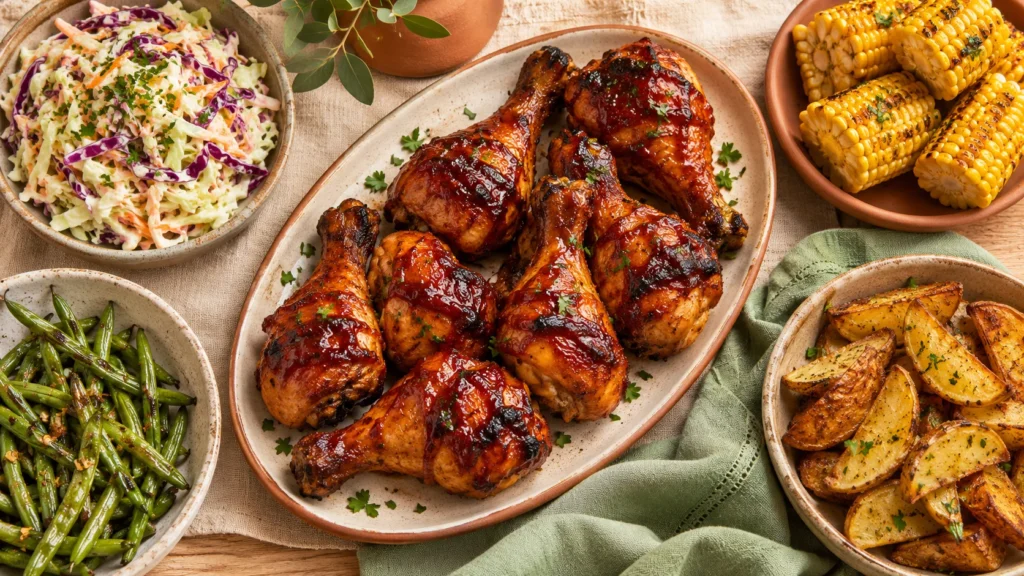
- A fuller plate: lemon herb chicken, smashed potatoes, and green beans. Boil the potatoes during preparation and check the chicken and vegetable recipes before coordinating the oven.
For a holiday meal, scale the number of dishes to your oven and serving equipment. A second vegetable does not need an elaborate topping when the rest of the table is rich. Choose one sweet or buttery side and one simpler green side, then set out the finishing ingredients separately. This also makes it easier to serve people who prefer less cheese, citrus, or spice.
Storing and reheating leftover roasted vegetables
Transfer leftovers to shallow containers and refrigerate promptly at 40°F or below. Put them away within two hours, or within one hour if the surroundings are above 90°F. Use refrigerated leftovers within three to four days, or freeze them for longer storage. These limits follow USDA guidance on handling leftovers. Discard food left out beyond those limits.
Keep different sides in separate containers when possible. It makes portioning easier and keeps a sweet carrot glaze away from a green vegetable. Label the containers with the cooking date. Freezing can soften vegetables and change potato texture, so freeze a small portion first if keeping the original texture is important to you.
Reheat only the portions you plan to serve, checking they reach 165°F throughout with a food thermometer. For oven reheating, USDA specifies an oven set no lower than 325°F; follow its safe reheating guidance. Spread food out for more even heating. In a microwave, cover appropriately, rotate or rearrange the pieces, allow standing time, and check several places. Fresh herbs or lemon added after heating can brighten the finished serving.
Useful equipment for these vegetable sides
As an Amazon Associate I earn from qualifying purchases. The equipment links below are affiliate links.
Start with equipment you already own. A larger budget is useful only when it solves a real problem, such as a pan that crowds your vegetables or a spatula that cannot lift the potatoes. The links below open Amazon searches so you can compare current sizes, materials, care instructions, and seller listings. They are shopping options rather than hands-on product reviews.
- A sturdy rimmed sheet pan: Compare Nordic Ware half sheet pans. Check the outside dimensions against your oven and the usable surface against your usual batch. Look at the manufacturer’s cleaning instructions before choosing uncoated aluminum or another finish.
- A wide stainless steel turner: Compare OXO stainless steel turners. A broad blade can help lift smashed potatoes and turn carrot pieces. Choose a utensil that suits the finish of your pan; use a compatible alternative on surfaces that metal could scratch.
- Shallow glass storage containers: Compare OXO glass food storage containers. Match the container size to leftover side portions, and check freezer, microwave, oven, and lid restrictions individually. Follow the manufacturer’s instructions about temperature changes.
Frequently asked questions
Can I roast all four vegetables on one tray?
Separate trays make more sense for these recipes. The carrots have a later glaze, potatoes need boiling before roasting, and asparagus thickness affects when it is done. Combining everything can leave one ingredient overcooked while another is still firm. Follow each full recipe and coordinate the finish instead.
Which side is easiest beside a creamy pasta bake?
Asparagus or green beans gives you a green vegetable without adding another rich sauce. Choose based on what looks fresh and how much oven space you have. Check the vegetable recipe before assuming it will fit into the pasta bake’s cooking window.
Can I prepare the vegetables earlier in the day?
You can wash and trim the fresh vegetables, dry them, and refrigerate them in suitable containers until cooking. Measure seasonings separately so you can follow the recipe’s order later. For potatoes, follow the complete recipe’s preparation directions rather than inventing a new holding step.
Are these all vegan side dishes?
Check each recipe’s ingredients and optional toppings. Honey and butter appear in the carrot recipe, butter appears in the potato recipe, and Parmesan may be an optional finish elsewhere. Do not assume a vegetable-based dish is vegan. Choose a recipe already suited to your needs or use an appropriate substitute with the understanding that flavor and browning may change.
How do I avoid soggy roasted vegetables?
Dry them after washing, avoid a crowded tray, and follow the specified oven method. Check the actual food for tenderness and browning. A pile of vegetables, excess surface water, or a pan that is too small makes the result harder to control.

One Comment